AI and Humanoid Robots will not automatically benefit companies
By Marc Aurele Yetgang | The Nexus Analysis
Many companies expect artificial intelligence and humanoid robots to increase their profits. Their reasoning centers on productivity: if machines allow them to produce more while reducing their spending on human labor, profits should rise.
That reasoning may seem logical. But higher profits are not automatic.
Producing more does not necessarily mean selling more. And replacing workers does not mean that the costs of operating a business disappear.
Production does not guarantee sales
A company can increase its production without seeing a corresponding increase in demand.
Consumers may not buy more simply because a business can manufacture more goods. If production rises while consumption remains unchanged—or falls—the additional output may remain unsold.
This distinction is especially important for products with a short shelf life. A company that produces more perishable goods than it can sell may face waste and financial losses.
AI and humanoid robots may help produce those goods, but they do not consume them. Automating production does not automatically create customers.
Replacing salaries with other expenses
Companies often focus on the money they could save by replacing employees with artificial intelligence and humanoid robots. But they must also consider the expenses that come with that decision.
A business may have to rent humanoid robots from another company or invest in purchasing them. It will need to pay for maintenance and account for the energy required to operate its automated systems.
These expenses must be weighed against the salaries the company expects to save.
Even after making that investment, sales remain uncertain. A company could replace its workers, take on new operating costs, and discover that its revenues do not meet its expectations.
Instead of becoming more profitable, it could find itself in a worse financial position than before. In some cases, that decision could contribute to bankruptcy.
Workers are also customers
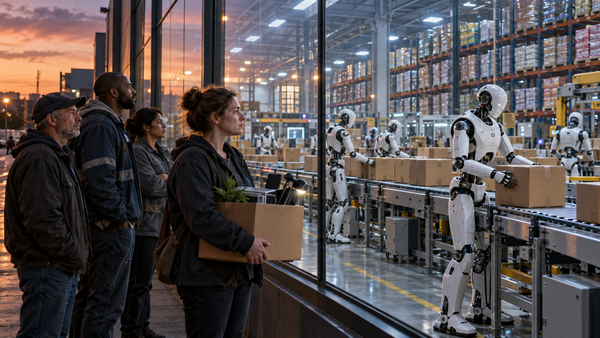
There is also a broader economic issue that companies must consider: the people being replaced are consumers.
If widespread adoption of AI and humanoid robots causes large numbers of people to lose their jobs, those people may no longer have enough income to purchase the goods and services businesses produce.
One company may see an opportunity to reduce its payroll. But when many companies make the same decision, the combined effect could weaken the purchasing power on which their sales depend.
The question therefore extends beyond how much a company can produce. It must also ask who will be able to buy that production.
An economy with greater productive capacity and weaker consumer purchasing power could leave businesses competing to sell more goods to people with less money.
Analyze the decision before replacing people
Companies have every reason to explore ways to improve productivity and increase production. But they should not assume that adopting AI and humanoid robots will automatically increase their profits.
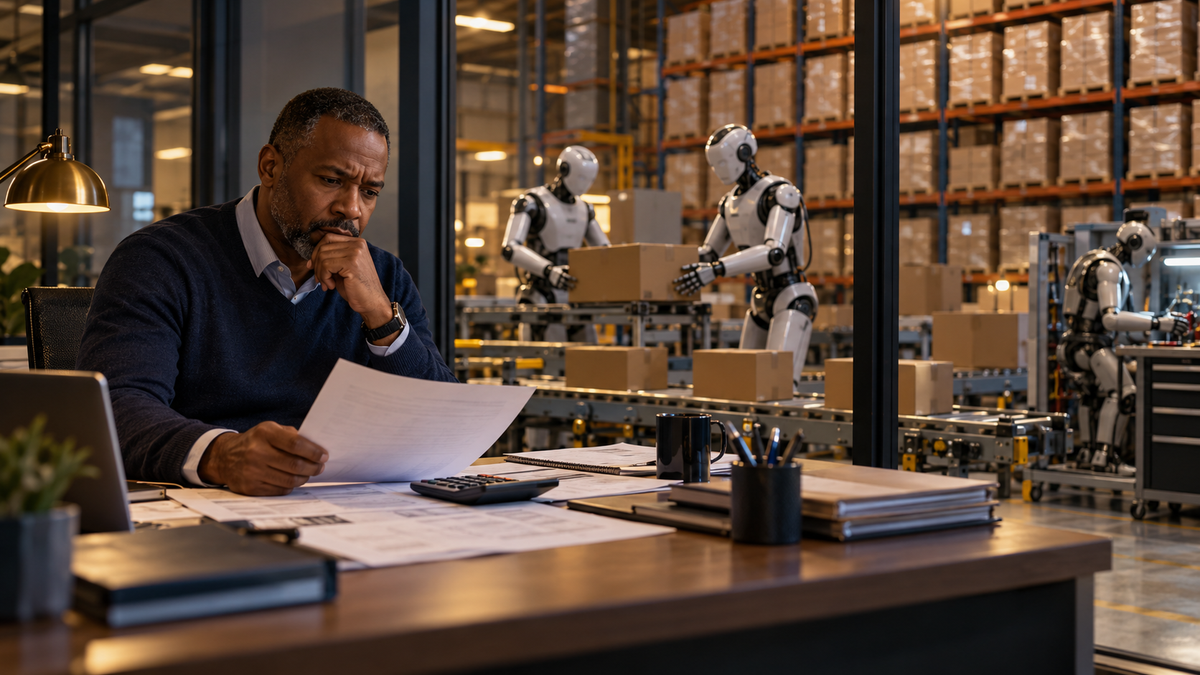
Before replacing employees, they need a thorough analysis of their operations and the economic environment in which they sell.
That analysis should examine the expected productivity gains, the full cost of automation, the demand for their products, and the purchasing power of their customers. It should also consider the social consequences of replacing human workers.
A decision that appears attractive when measured only against payroll expenses may look very different when all these factors are considered.
AI and humanoid robots may help a company produce more. Whether that company benefits financially depends on what it costs to produce—and whether it can sell what it produces.
Explore the impact on your business
Companies seeking an in-depth assessment of their operations and economic environment before replacing some or all of their staff with AI can contact Aurelius AI Impact Advisory.
Email: aureliusadvisory8@gmail.com
About the author
Marc Aurele Yetgang is the author of several books exploring artificial intelligence and economic transformation, including The World Economy Under Artificial Intelligence, The Economics of AI and Humanoids, and The World After AI, available on Amazon.